Investing in Vineyard Properties in Salento: A Beginner’s Guide to Puglia Wine Estates
Nestled in the sun-drenched heel of Italy’s boot, Salento is a hidden gem for investors seeking a blend of agricultural profitability, cultural richness, and lifestyle appeal. This southern region of Puglia is renowned for its rolling vineyards, historic masserie (traditional farmhouses), and a thriving wine industry that continues to gain international acclaim. For those considering a Salento vineyard investment, the opportunities are as abundant as the region’s famed Primitivo and Negroamaro grapes. This guide explores the key aspects of investing in a Puglia wine estate, from expected costs to the potential of agritourism and the basics of wine production.
Why Salento? The Allure of Puglia’s Wine Country
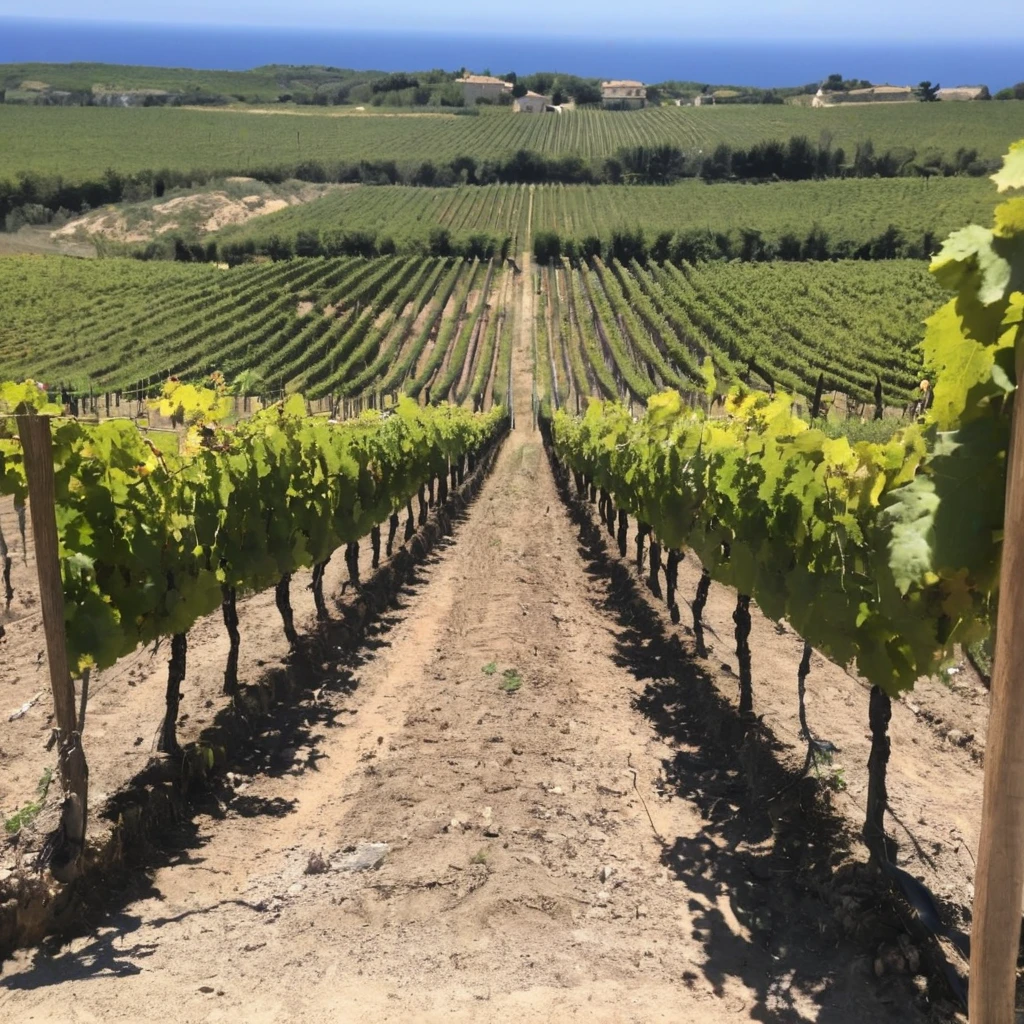
Salento’s unique terroir—characterized by its Mediterranean climate, limestone-rich soils, and coastal breezes—creates ideal conditions for viticulture. The region’s wines are celebrated for their bold flavors, high alcohol content, and deep connection to the land. Beyond the vineyards, Salento offers a slower pace of life, stunning coastal views, and a growing demand for authentic Italian experiences, making it a prime location for both financial returns and personal fulfillment.
Investing in a Puglia wine estate is not just about acquiring land; it’s about embracing a lifestyle steeped in tradition, sustainability, and innovation. Whether you’re a seasoned investor or a beginner exploring Italy’s wine regions, Salento presents a compelling case for long-term growth and enjoyment.
Expected Costs of a Salento Vineyard Investment
The cost of purchasing a vineyard in Salento varies widely depending on size, location, existing infrastructure, and production capacity. Here’s a breakdown of what to expect:
1. Land Acquisition
Prices for vineyard land in Salento typically range from €20,000 to €100,000 per hectare, depending on proximity to the coast, soil quality, and existing vines. Prime locations near towns like Lecce, Otranto, or Gallipoli command higher prices due to their tourism appeal and accessibility. For a small to medium-sized estate (5–10 hectares), you can expect to invest between €100,000 and €1 million for the land alone.
2. Property and Infrastructure
Many vineyard properties in Salento come with a traditional masseria or farmhouse, which can be restored or converted into a boutique winery or agritourism accommodation. The cost of a habitable masseria ranges from €200,000 to €1.5 million, depending on its condition and size. Additional infrastructure—such as fermentation tanks, storage facilities, and irrigation systems—can add another €50,000 to €300,000 to your budget.
If you’re looking for a turnkey operation with established vines, a functional winery, and guest accommodations, explore our premium properties in Puglia, where you’ll find curated listings that align with both investment and lifestyle goals.
3. Operational Costs
Running a vineyard involves ongoing expenses, including labor, vineyard maintenance, pest control, and harvesting. Annual operational costs can range from €10,000 to €50,000 per hectare, depending on the scale of production and whether you hire full-time staff or seasonal workers. Additionally, certification costs (e.g., organic or DOC/DOCG status) and marketing expenses should be factored into your budget.
Agritourism Potential: Turning Your Vineyard into a Revenue Stream
One of the most exciting aspects of investing in a Salento vineyard is the opportunity to diversify income through agritourism. Puglia has become a hotspot for travelers seeking authentic, off-the-beaten-path experiences, and vineyards are at the heart of this trend. Here’s how you can capitalize on agritourism:
1. Wine Tasting and Tours
Offering guided tours of your vineyard and winery, followed by tastings of your signature wines, is a low-effort way to generate revenue. Visitors are often willing to pay a premium for intimate, educational experiences that highlight the region’s winemaking traditions. Consider pairing tastings with local cheeses, olive oils, and cured meats to enhance the experience.
2. Farm-to-Table Experiences
Many agritourism properties in Salento combine wine with culinary delights, such as cooking classes, harvest festivals, or on-site restaurants serving dishes made with ingredients grown on the estate. This not only attracts food and wine enthusiasts but also creates a loyal customer base that may return year after year.
3. Accommodation and Retreats
Converting a portion of your masseria into guest rooms, a bed and breakfast, or even a luxury retreat can significantly boost your income. The demand for rural, immersive stays is on the rise, particularly among international travelers looking to escape crowded cities. Properties with existing structures or the potential for expansion are particularly valuable—browse our selection of Puglia estates to find a property that aligns with your vision for hospitality.
4. Events and Weddings
Salento’s picturesque landscapes and historic masserie provide the perfect backdrop for weddings, corporate retreats, and private events. Hosting such gatherings can be highly lucrative, especially during the peak tourism season (May to October). Ensure your property has the necessary permits and infrastructure to accommodate large groups.
Wine Production Basics: From Grape to Glass
For beginners, understanding the fundamentals of wine production is essential to making informed investment decisions. Here’s a simplified overview of the process:
1. Grape Varieties
Salento is home to several indigenous grape varieties, with Primitivo and Negroamaro being the most prominent. Primitivo is known for its rich, jammy flavors and high alcohol content, while Negroamaro produces robust, spicy reds with excellent aging potential. Other varieties, such as Malvasia Nera and Susumaniello, are also gaining popularity. Choosing the right grapes for your vineyard depends on your target market and the style of wine you wish to produce.
2. Vineyard Management
Successful viticulture requires careful attention to soil health, irrigation, pruning, and pest control. Many vineyards in Salento practice organic or sustainable farming, which can enhance the quality of your grapes and appeal to eco-conscious consumers. Hiring a local agronomist or enologist can provide invaluable guidance, especially if you’re new to winemaking.
3. Harvesting and Fermentation
Harvesting typically takes place between August and October, depending on the grape variety and desired ripeness. Grapes are hand-picked or machine-harvested, then transported to the winery for destemming and crushing. Fermentation occurs in stainless steel tanks or oak barrels, where yeast converts sugars into alcohol. The duration of fermentation and aging varies by wine style—reds may age for months or years, while whites and rosés are often bottled sooner.
4. Bottling and Marketing
Once fermentation and aging are complete, the wine is filtered, bottled, and labeled. Developing a strong brand identity and marketing strategy is crucial for standing out in a competitive market. Consider participating in local wine festivals, collaborating with restaurants, and leveraging social media to build awareness. For investors looking to enter the market with an established brand, our premium Puglia properties include options with existing production and distribution channels.
Lifestyle Benefits: More Than Just an Investment
Beyond financial returns, investing in a Salento vineyard offers a unique lifestyle that blends work and leisure. Imagine waking up to the scent of blooming jasmine, spending your mornings tending to vines, and evenings sipping your own wine under the Mediterranean sun. The region’s rich culture, warm community, and proximity to stunning beaches make it an ideal place to live or visit regularly.
For those seeking a second home or a retirement destination, a Puglia wine estate provides the perfect balance of productivity and relaxation. The region’s affordability compared to Tuscany or Piedmont, combined with its growing international appeal, ensures that your investment will appreciate over time—both in value and in quality of life.
Final Thoughts: Is a Salento Vineyard Right for You?
Investing in a vineyard in Sal
Discover Your Dream Home in Apulia
Explore our exclusive collection of premium properties: